

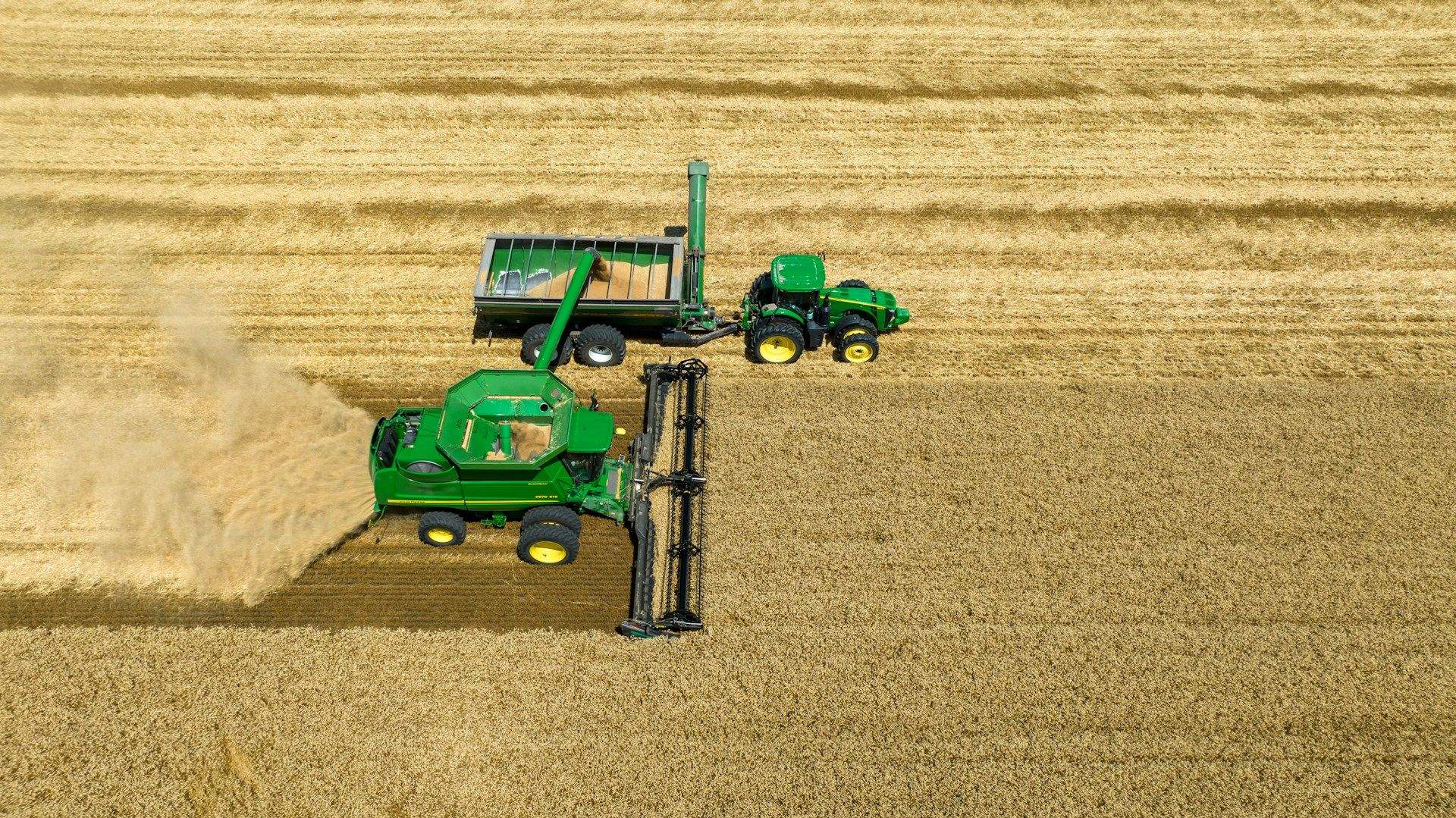
Combine ECU Tuning More Capacity at Harvest Without Upgrading Your Machine
Harvest is when every hour counts. The weather window is short, the grain cart is waiting, and the combine is working harder than any other machine on the farm. When that combine starts lugging down in heavy crop, you feel it right away: rotor speed drops, the operator backs off the ground speed, and acres per hour fall just when you need them most.
Harvest is when every hour counts. The weather window is short, the grain cart is waiting, and the combine is working harder than any other machine on the farm. When that combine starts lugging down in heavy crop, you feel it right away: rotor speed drops, the operator backs off the ground speed, and acres per hour fall just when you need them most.
A lot of farmers assume the only fix is a bigger combine. That is an expensive answer. Before you start pricing a new machine, it is worth asking whether your current combine is short on capacity or just short on power. If it is power, ECU tuning may close that gap for a fraction of the cost of upgrading.
The Short Answer
Yes, ECU tuning can help a combine. A tune remaps the engine control unit so the engine delivers more horsepower and torque, which helps the combine hold its speed under heavy load. On average, our tunes add about 20% horsepower over stock. On a combine, that extra power shows up as steadier rotor speed in tough conditions and the ability to keep ground speed up instead of backing off.
What a tune will not do is fix a combine that is limited by something other than the engine. We will cover that difference below, because it matters.
Why Combines Run Out of Power
A tractor pulling a planter has one main job. A combine is doing several jobs at the same time, and every one of them pulls from the same engine:
- Driving the machine across the field through the hydrostatic system
- Turning the rotor or cylinder to thresh the crop
- Running the cleaning shoe, fans and elevators
- Powering the straw chopper and spreader
- Running the header
- Unloading on the go
On an easy day in dry, light crop, the engine handles all of this without strain. But harvest is rarely easy for long. Tough, high-moisture corn, green-stemmed soybeans, heavy wheat straw, wide draper headers, big corn heads and hilly ground all add load at once. Unloading while threshing adds even more. When total demand gets close to what the engine can supply, engine speed starts to drop, and everything connected to it slows down with it.
Signs Your Combine Is Short on Power
Not every slow harvest day is a power problem. These are the signs that point to the engine:
The engine lugs in heavy crop. You hear and feel the engine pull down when the feeder house fills up, especially in the thickest parts of the field.
Rotor speed sags under load. When the rotor slows down, threshing and separation suffer, and you may see more grain going out the back.
You slow down to keep up. The operator backs off ground speed to keep the engine out of a lug, even though the separator could handle more material.
Unloading on the go makes things worse. If turning on the unload auger causes a noticeable drop in engine speed, you are running near the limit.
You bought a bigger header. Moving to a wider draper or a larger corn head adds both load and expectations. Many combines that ran fine with the old header struggle after the upgrade.
It is worse in tough conditions than in easy ones. If the combine is fine in dry crop but struggles in wet or green material, the engine is likely the bottleneck.
If two or three of those sound familiar, power is probably part of the problem.
What a Tune Can Fix and What It Cannot
Being honest about this saves farmers money.
A tune helps when the engine is the limit. More horsepower and torque let the combine hold engine speed under load, which keeps the rotor, fans and chopper turning at the speed they were designed to run. That can let the operator keep ground speed up longer through heavy patches, and it gives you a buffer when unloading on the go.
A tune will not fix mechanical or setup problems. If your combine is limited by a worn rasp bar or concave, poor separator settings, a cleaning shoe that is overloaded, a plugged rotary screen or a feeder house that cannot take more crop, more engine power will not solve it. In some cases it just lets you overload those systems faster.
That is why we start with a conversation, not a sale. During a free consultation, we talk through your combine, header, crops and conditions so you know whether a tune makes sense before you spend anything.
Tuning a Combine vs. Buying a Bigger One
The math on combines is similar to tractors, only bigger. Moving up a class in a new or used combine can cost well into six figures, and you take on more depreciation, more interest and a new machine your operators have to learn. A tune works with the combine you already own and already know.
We explain the same logic for tractors in tuning vs. trading in, and it applies just as strongly at harvest. If your combine has good hours left, a solid separator and a header that fits your operation, adding power may get you the capacity you were going to pay a dealer for. See our tuning cost and ROI page for how the numbers usually work out.
What About Fuel?
Combines burn a lot of fuel at harvest, so this question comes up often. A tune adds power, and when the engine has more power in reserve, it often does not have to work as hard to do the same job. Some farmers see fuel savings, especially when the combine was spending a lot of time lugging before the tune. Others use the extra power to cover more acres per hour, which uses more fuel per hour but fewer hours per field. We cover what farmers have actually reported in does ECU tuning save fuel.
Emissions and Warranty
Two questions come up on almost every call.
Emissions: We do not delete emissions. Every tune we write adds power with the emissions system left intact and working. Deletes are illegal in the US, and we will not do them. Read more in we do not delete emissions and on our emissions compliance page.
Warranty: We cannot guarantee what a manufacturer will decide, and we will not pretend otherwise. What we can tell you is that we have not lost a customer warranty to date, and when we deliver a tune by programmer, it can return the machine to its stock file. Our full answer is in does ECU tuning void warranty, and our warranty and safety page explains how we approach it.
Pre-Harvest Checklist Before You Tune
A tune works best on a healthy machine. Before adding power to your combine, take care of the basics:
Clean the cooling system. Chaff and dust pack into radiators, coolers and the rotary screen fast at harvest. A combine making more power needs its cooling system working at full capacity. Clean it before you tune and keep cleaning it daily during harvest.
Replace air and fuel filters. A restricted air filter or a dirty fuel filter limits power on its own and makes it harder to tell what the tune is doing.
Check belts and drives. More engine power means more load on belts, chains and gearboxes. Replace worn belts and check tension before the season starts.
Inspect threshing components. Check rasp bars, concaves and separator grates. If these are worn, fix them first, or the extra power will not show up as better performance.
Watch your gauges. After tuning, keep an eye on coolant temperature, especially in hot afternoons and dusty conditions. A clean cooling system usually handles the added power without issue.
Timing: Tune Before the Rush
The best time to tune a combine is before harvest starts, so the operator can get familiar with how the machine feels and you can confirm everything is running right before you are in the middle of a critical week.
That said, the process does not require much downtime. We write our files in-house, usually in 5 to 10 minutes once we have your machine information. Depending on your machine, we deliver the tune by mail-in ECU, a handheld programmer, our Power Boss programmer with a breakout harness, or a dedicated safety setup on select Cummins-powered John Deere machines. We travel to customers in our area and ship programmers to farmers across the country, then connect virtually to walk you through it. See the full tuning process for the step-by-step.
Because our files are written in-house and not sourced overseas, you are not waiting on a third party when harvest is on the line. Read why in-house files matter.
Which Combines Can Be Tuned?
We tune a wide range of combines and ag equipment across major brands, including Case IH, John Deere, New Holland, Gleaner, Massey Ferguson and more. To check your exact machine, use the machine finder on our homepage or browse our agriculture tuning services. You can also see brand-specific details for John Deere tuning and Case IH tuning, or look through combines and tractors we have already done on our projects page.
Running more than one machine? The same thinking applies to the tractors on your farm. If you are pulling a high-speed planter, read why precision planting kits need more HP, and see how much HP you can add to a tractor.
FAQ
Frequently asked questions
01How much horsepower does a combine tune add?
Our tunes average about 20% more horsepower over stock. The exact gain depends on the engine and model, and we will give you a straight number for your machine during the consult.
02Will a tune hurt my combine's engine?
A properly written tune works within the engine's mechanical limits. Keeping the cooling system clean and the machine well maintained matters more than ever at harvest, tuned or not.
03Can I go back to stock?
When we deliver a tune by programmer, it can return the machine to its stock file.
04Will tuning help if my combine is losing grain out the back?
Only if the losses come from rotor speed dropping under load. If losses come from settings or worn parts, fix those first.
05What information do you need for a quote?
Send the year, make and model of your combine. For tractors, we also ask for axle and transmission.